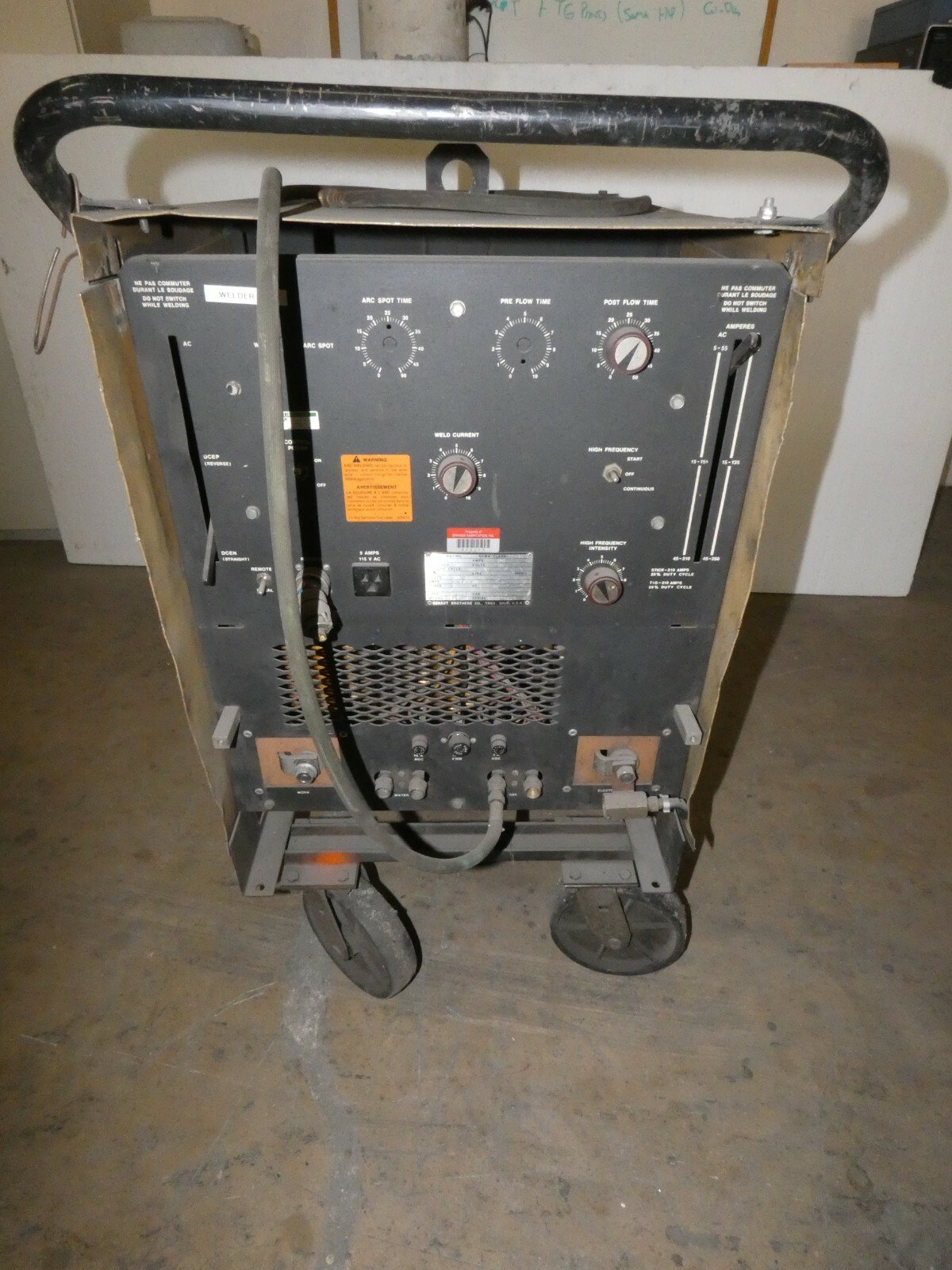
So, you’ve invested in a Hobart welder generator – a versatile powerhouse that combines serious welding capability with portable generator functions. Smart move. But owning the machine is only half the battle. To truly unlock its potential, ensure your safety, and maximize your productivity, you need the right gear. We're talking about the Essential Hobart Welder Generator Accessories that transform a good machine into a great, efficient, and safe workshop companion.
Think of it like buying a high-performance car; you wouldn't drive it without the right tires, oil, or even a spare. The same applies to your welder generator. The accessories aren't just add-ons; they're integral components that dictate your welding quality, operational safety, and overall convenience.
At a Glance: Key Takeaways
- Safety First: Prioritize protective gear like auto-darkening helmets, flame-resistant clothing, and proper ventilation.
- Quality Cables are Crucial: Don't skimp on welding cables and ground clamps; they directly impact arc quality and safety.
- Consumables Are Your Fuel: Always have a ready supply of electrodes, contact tips, and gas (if applicable) specific to your process.
- Versatility Boosters: Accessories like remote controls, carts, and magnetic squares enhance efficiency and expand your machine's utility.
- Maintenance Extends Life: Regular cleaning supplies, anti-spatter, and generator service kits are non-negotiable for longevity.
- Compatibility Matters: Always check that accessories are compatible with your specific Hobart welder generator model.
More Than Just a Spark: Why Accessories Elevate Your Hobart Experience
Your Hobart welder generator is designed for robust performance, whether you're laying down beads in the shop or powering tools on a remote job site. But without the proper supporting cast of accessories, you're leaving a lot of potential on the table. The right add-ons improve arc stability, ensure consistent power delivery, and, most importantly, protect you from the inherent hazards of welding and operating a generator.
Consider the practical implications: a flimsy ground clamp can lead to a poor arc, frustrating restarts, and wasted time. The wrong welding helmet could mean eye strain or, worse, irreversible damage. And neglecting generator maintenance could cut short the life of your expensive investment. Each accessory serves a vital purpose, contributing to an ecosystem of efficiency, safety, and durability around your primary machine.
Power Up Properly: Electrical & Connectivity Essentials
Before you even strike an arc, you need a solid connection. These accessories are about getting power to and from your welder generator reliably and safely.
Heavy-Duty Welding Cables & Clamps
This is foundational. Your welder generator likely comes with basic cables, but upgrading to higher-quality, heavier-gauge cables (especially for longer runs) can significantly improve performance.
- Electrode Holder Cables: These carry current to your electrode. Look for flexible, durable cables that can withstand heat and abrasion. The higher the amperage your machine produces, the thicker (lower gauge number) your cables should be.
- Ground Clamps: Often overlooked, a quality ground clamp is paramount for a stable arc. A flimsy, weak clamp can cause arc instability, poor penetration, and even overheating. Opt for heavy-duty brass or copper clamps that ensure excellent conductivity and a strong grip. They should connect firmly to the workpiece, creating a reliable return path for the current.
What to Look For: - Gauge: Match or exceed the manufacturer's recommended cable gauge for your amperage and cable length. Thicker cables reduce voltage drop.
- Flexibility: High-quality insulation (like EPDM rubber) provides flexibility, making cables easier to maneuver and more resistant to kinking or cracking.
- Connectors: Ensure connectors are robust and match your Hobart machine's receptacles.
Generator Power Cords & Adapters
While your Hobart machine is welding, its generator side can be powering other tools. You'll need appropriate extension cords and adapters.
- Heavy-Duty Extension Cords: For powering external tools, stick to industrial-grade extension cords rated for outdoor use and high amperage. Avoid household cords, which can overheat and pose a fire risk.
- Generator Outlet Adapters: Hobart welder generators typically feature various power outlets (e.g., 120V, 240V). Adapters allow you to connect different tools or power distribution boxes. Ensure they are correctly rated for the voltage and amperage of the outlet and the devices you're powering.
Pro Tip: Always uncoil extension cords fully when in use, as coiled cords can create heat buildup and become a fire hazard, especially under heavy load.
Your Arc Arsenal: Welding-Specific Gear
This category covers the direct tools you use to manipulate the arc and prepare your work.
Welding Helmets: Protecting Your Vision
Non-negotiable. The intense UV and infrared radiation from welding can cause severe eye damage.
- Auto-Darkening Helmets: These are the gold standard for most welders. They automatically darken the lens the moment an arc is struck, allowing you to position your torch or electrode accurately before starting. Look for:
- Adjustable Shade: Variable shades (e.g., DIN 9-13) for different welding processes and amperages.
- Viewing Area: A larger viewing area improves visibility and comfort.
- Reaction Time: Faster reaction times (e.g., 1/25,000th of a second) reduce eye strain.
- Sensors: Multiple sensors (2-4) ensure reliable darkening, even if one sensor is obstructed.
- Comfort & Weight: A well-balanced, comfortable helmet reduces fatigue during long sessions.
- Fixed-Shade Helmets: A simpler, often more affordable option. You have to nod it down to protect your eyes before striking the arc. While functional, they can be less convenient for beginners or precision work.
Welding Gloves: Your Hands' Best Friend
Gloves protect against heat, sparks, spatter, UV radiation, and electrical shock.
- MIG/TIG Gloves: Thinner and more flexible, offering better dexterity for processes requiring fine motor control. Made of softer leathers like goatskin or deerskin.
- Stick/General Welding Gloves: Thicker and more durable, usually made of cowhide, offering superior heat and spatter protection for higher amperage processes.
Key Features: - Material: Leather (cowhide, goatskin, pigskin) is most common for its durability and heat resistance.
- Lining: Insulated linings offer additional heat protection.
- Fit: Snug enough for dexterity, but loose enough for comfort and quick removal if needed.
Chipping Hammers & Wire Brushes: For Cleanliness and Clarity
Essential for post-weld cleanup and surface preparation.
- Chipping Hammer: Used to remove slag (the glassy residue) from stick welds. Look for one with a comfortable grip and a sharp point or chisel on one end.
- Wire Brush: After chipping, a wire brush cleans up remaining slag, spatter, and prepares surfaces for subsequent passes or painting. Keep different brushes for different metals to avoid cross-contamination.
Welding Pliers: Multi-Tasking Marvels
Specialized pliers are incredibly useful for MIG welding but also handy for general shop work.
- MIG Pliers: Often called "multi-tool" pliers, they allow you to cut wire, clean out the nozzle, remove and install contact tips, and even hammer spatter off the nozzle.
Consumables: The Fuel for Your Fire
These are the items that get consumed during the welding process. Always have a stock!
- Electrodes (Stick Welding): Different types (e.g., E6010, E6011, E7018) for various applications and metals. Match them to your project and machine capabilities.
- Filler Wire (MIG/Flux-Cored): Spools of wire for MIG and Flux-Cored processes. Choose the correct diameter, type (solid, flux-cored), and material (steel, aluminum, stainless steel) for your job.
- Contact Tips: Small copper tips that guide the wire and transfer current. They wear out, so always have spares. Match them to your wire diameter.
- Nozzles & Diffusers (MIG): Direct the shielding gas. Nozzles accumulate spatter and diffusers can clog; have replacements on hand.
- Shielding Gas (MIG/TIG): If your Hobart model supports gas-shielded processes, you'll need gas cylinders (Argon, CO2, Argon/CO2 mix) and a regulator/flowmeter. Ensure the regulator is compatible with your gas cylinder type.
Investing in these core accessories for your Hobart welder generator will not only make your work easier but also significantly improve the quality of your welds. To explore more about the core capabilities of these machines, check out our Hobart welder generator hub.
Safety Never Takes a Day Off: Beyond the Basics
While helmets and gloves are critical, a comprehensive safety strategy requires more.
Flame-Resistant Clothing
Regular clothing can ignite and cause severe burns.
- Welding Jacket/Sleeves: Made from flame-resistant materials like leather, heavy cotton, or specialized synthetic blends. They protect your torso and arms from heat, sparks, and UV exposure.
- Welding Aprons: Offer additional protection for your front, especially when working in positions where spatter is prevalent.
- Welding Pants: Heavy-duty, flame-resistant trousers are recommended. Avoid synthetic materials like polyester or nylon, which can melt onto your skin.
Safety Glasses
Wear safety glasses under your welding helmet. This provides continuous eye protection when the helmet is lifted and guards against grinding debris or unexpected sparks.
Respirators & Ventilation
Welding fumes contain hazardous particulate matter and gases that can cause long-term health problems.
- Respirators: N95 or P100 particulate respirators are good for general welding fumes. For more toxic fumes or when welding certain materials, a supplied-air respirator or powered air-purifying respirator (PAPR) may be necessary.
- Ventilation: Always weld in a well-ventilated area. If natural ventilation isn't sufficient, use exhaust fans, fume extractors, or local exhaust ventilation systems to draw fumes away from your breathing zone.
Fire Extinguisher
A "must-have" for any welding area. Keep a Class ABC fire extinguisher readily accessible and know how to use it. Sparks can travel surprisingly far and ignite combustible materials.
Remember: Always clear your work area of flammable materials before starting to weld.
Boost Your Efficiency: Versatility & Convenience Accessories
These accessories won't necessarily improve your arc quality, but they'll make your life a whole lot easier and your shop more productive.
Welder Carts & Covers
- Welder Cart: A dedicated cart makes your Hobart welder generator portable within your shop, allowing you to move it and its gas cylinder (if applicable) closer to your work. Look for sturdy wheels, a strong frame, and adequate storage for cables and other accessories.
- Protective Covers: When not in use, a heavy-duty cover protects your machine from dust, moisture, and general shop grime, extending its lifespan. This is especially important for welder generators that might be exposed to outdoor elements.
Remote Controls & Foot Pedals
For certain Hobart models, especially those capable of TIG welding, remote controls or foot pedals offer precise amperage control while welding.
- Foot Pedals: Allow you to control amperage with your foot, leaving both hands free for torch manipulation and filler rod feeding. Invaluable for precision TIG work.
- Remote Hand Controls: Similar to foot pedals but operated by hand, often useful when working in awkward positions where a foot pedal isn't practical.
Cable Management Solutions
Tangled cables are a trip hazard and can damage insulation.
- Cable Hangers/Reels: Keep cables organized and off the floor. Cable reels can be especially useful for managing long welding leads.
- Cable Sleeves: Protect cables from abrasion, cuts, and extreme heat when routing them near hot surfaces or sharp edges.
Magnetic Holders & Squares
These simple tools are incredibly useful for holding workpieces in place, freeing up your hands for welding.
- Magnetic Squares: Available in various angles (45°, 90°, 135°), they provide quick, temporary support for fitting up metal pieces.
- Magnetic Clamps: Stronger than squares, they can secure heavier pieces.
Grinders & Abrasives: Prep and Polish
While not directly a welding accessory, grinders are indispensable for prepping surfaces before welding and cleaning up welds afterward.
- Angle Grinder: A versatile tool for cleaning rust, removing mill scale, beveling edges, and grinding down excess weld material.
- Grinding Discs: For material removal.
- Flap Discs: For blending and finishing.
- Wire Wheels: For cleaning and surface preparation.
Longevity Through Care: Maintenance & Cleaning Supplies
Your Hobart welder generator is an investment. Proper maintenance ensures it lasts for years.
Generator Maintenance Kits
If your Hobart unit has an internal combustion engine, it needs regular servicing.
- Oil Filters, Air Filters, Spark Plugs: Regularly check and replace these according to your owner's manual. Dirty filters reduce efficiency and can cause engine damage.
- Engine Oil: Use the recommended oil type and viscosity. Check oil levels before each use.
- Fuel Stabilizer: Essential if the machine will sit unused for extended periods to prevent fuel degradation and carburetor issues.
Anti-Spatter Spray
For MIG welding, anti-spatter spray prevents molten metal from sticking to your nozzle, contact tip, and workpiece. This significantly extends the life of your consumables and reduces post-weld cleanup.
Cleaning Brushes & Tools
Small brushes and tools help keep your welding gun and machine free of debris. Regular cleaning prevents build-up that can impede gas flow or create electrical resistance.
Maintenance Tip: Always consult your Hobart owner's manual for specific maintenance schedules and recommended parts. Skipping maintenance is a sure way to shorten your machine's life.
Making the Right Call: What to Consider When Buying
With so many accessories available, how do you choose? Here's a framework:
1. Compatibility with Your Hobart Welder Generator
This is paramount. Not all accessories work with all machines.
- Amperage/Voltage Ratings: Ensure cables, power cords, and electrical components are rated for the maximum output of your machine.
- Connector Types: Welding cable connectors (Dinse, Lenco, etc.), gas cylinder connections, and power outlets must match.
- Process Specificity: TIG foot pedals won't work on a stick-only machine. MIG pliers are for MIG.
2. Quality and Durability
Cheaping out on accessories often means buying twice.
- Safety Gear: Never compromise on helmets, gloves, and flame-resistant clothing.
- Cables & Clamps: High-quality cables with robust insulation and strong clamps pay dividends in performance and longevity.
- Tools: Look for sturdy construction that can withstand the rigors of a shop environment.
3. Safety Certifications
For electrical components, helmets, and respirators, look for recognized safety certifications (e.g., ANSI for helmets, CSA, UL for electrical components).
4. Your Specific Welding Needs & Environment
- Type of Welding: Do you primarily stick, MIG, or TIG? Your accessory needs will vary.
- Material: Welding aluminum requires different wire and gas than steel.
- Work Environment: Welding outdoors in windy conditions might necessitate wind screens for gas-shielded processes. Welding in confined spaces demands superior ventilation.
- Frequency of Use: A professional welder using their machine daily will require more durable, heavy-duty accessories than a hobbyist.
5. Budget vs. Value
While it's tempting to go for the cheapest option, remember that value often outweighs initial cost. A slightly more expensive, higher-quality accessory might last longer, perform better, and offer superior safety, saving you money and hassle in the long run.
Common Accessory Misconceptions & Best Practices
Let's clear up a few common questions and reinforce some smart habits.
"Can I just use regular work gloves for welding?"
No. Regular work gloves do not offer sufficient protection against extreme heat, sparks, spatter, or UV radiation. They can melt, burn, or offer no electrical insulation, leading to serious injury. Always use proper welding gloves.
"My generator only needs oil changes, right?"
Wrong. A welder generator's engine needs regular maintenance beyond just oil changes, including air filter replacement, spark plug checks, and fuel system care. Consult your owner's manual for a full maintenance schedule. Neglecting this shortens engine life and can cause costly breakdowns.
"Do I really need a fire extinguisher nearby?"
Absolutely. Welding produces sparks and extreme heat, making fire a constant risk. Having a Class ABC fire extinguisher immediately accessible is non-negotiable for safety. Don't rely on water alone, especially if electrical components are involved.
"Are all welding cables the same?"
No. Welding cables vary significantly in gauge (thickness), insulation type, and flexibility. Using cables that are too thin for your amperage or too long can cause voltage drop, overheating, and a poor arc. Always match your cables to your machine's output and your typical welding application.
Best Practices for Accessory Care:
- Inspect Regularly: Before each use, quickly inspect all accessories for wear, damage, or degradation. Check cables for cuts, helmets for cracks, and gloves for holes.
- Clean After Use: Wipe down cables, clean your helmet lens, and store consumables properly. This prevents build-up and prolongs their life.
- Store Properly: Keep accessories in a dry, clean place, away from extreme temperatures, direct sunlight, and chemicals. This is especially true for electrodes and wire, which can be sensitive to moisture.
- Replace When Worn: Don't try to squeeze extra life out of worn-out safety gear or damaged cables. The cost of replacement is always less than the cost of an injury or machine damage.
Equip Your Shop, Empower Your Work
Outfitting your workshop with the Essential Hobart Welder Generator Accessories isn't an indulgence; it's a critical step toward safer, more efficient, and higher-quality work. From the foundational safety gear that protects your most valuable asset (you!) to the specialized tools that refine your craft, each accessory plays a role in transforming raw power into precision and productivity.
By choosing compatible, high-quality gear and maintaining it diligently, you're not just buying tools; you're investing in the longevity of your Hobart machine and the professionalism of your output. So, take a careful look at your current setup, identify any gaps, and equip your shop to tackle any project with confidence and capability. Your future welds, and your safety, will thank you.