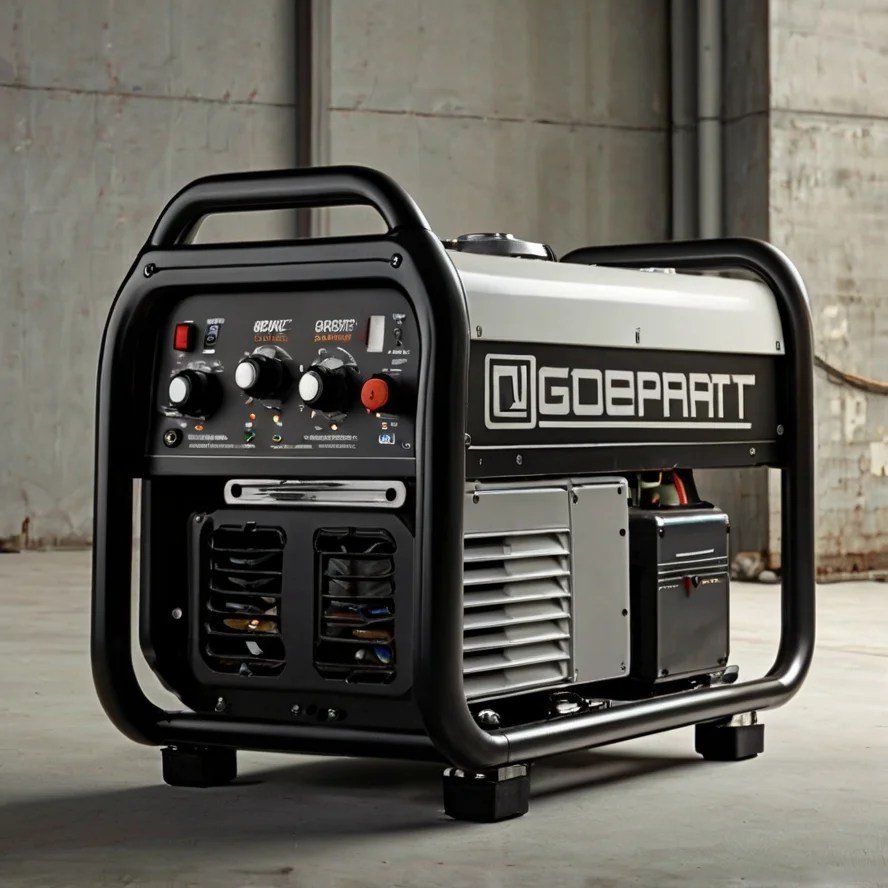
When the job site is miles from the nearest power outlet, or an urgent repair can't wait for grid access, the right tools become more than just equipment – they become lifelines. That's precisely where understanding Hobart Welder Generator Models & Comparisons truly shines, bridging the gap between needing power and getting work done, wherever you are. These versatile machines combine robust welding capabilities with essential auxiliary power generation, making them indispensable for professionals and serious DIYers alike.
Imagine needing to weld a critical steel beam on a new construction project far off the beaten path, or fixing a broken gate on a sprawling farm property before sundown. A Hobart welder generator means you’re not scrambling for an external power source. You're simply powering up and getting to work.
At a Glance: Your Guide to Hobart Welder Generators
- Dual Functionality: Combines a powerful welder with a reliable generator for ultimate versatility.
- Power Output: Ranges from light-duty 40-amp welding up to heavy-duty 225-amp DC, with significant auxiliary power.
- Engine Types: Primarily gasoline-powered engines like Kohler, known for reliability and performance.
- Key Models: The robust Champion Elite 225 for heavy tasks and the more portable 40-145 amp unit for lighter work.
- Applications: Ideal for construction, metal fabrication, mobile repairs, maintenance, and off-grid projects.
- Selection: Match the model to your project's power, welding process, and portability needs.
- Maintenance: Simple, accessible routines keep these machines running efficiently for years.
The Undeniable Appeal of a Welder Generator: Power & Portability Unleashed
A welder generator isn't just two machines in one; it's a testament to efficiency and independence. These devices feature a powerful engine that drives an alternator, producing both electricity for tools and dedicated welding current. This ingenious design solves one of the biggest challenges in off-grid work: reliable power.
Think about the sheer flexibility. You can be welding a critical joint one moment, then running a grinder, charging power tool batteries, or illuminating your workspace the next, all from the same unit. This combination significantly streamlines operations, reduces the need for multiple pieces of equipment, and cuts down on setup time. For a deeper dive into why these machines are game-changers, understanding the full benefits of a welder generator can illuminate their value proposition for various tasks and industries.
Unpacking the Essentials: What Makes a Great Welder Generator?
Choosing the right welder generator means understanding the critical features that dictate its performance and suitability for your specific tasks. It's not just about horsepower; it's about matching the machine's capabilities to your ambition.
The Heart of the Matter: Power Output & Welding Amperage
Every project has unique power demands. For a welder generator, this translates into two key metrics:
- Welding Amperage (Amps): This determines the thickness of material you can weld and the type of welding rod you can use. Higher amperage means thicker materials and more intense applications. For example, 40-145 amps is great for thinner metals and general repairs, while 225 amps opens up heavy structural work.
- Auxiliary Power (Watts): Measured in watts, this is the electricity available to power grinders, lights, plasma cutters, and other electrical tools. More watts mean you can run larger tools or multiple tools simultaneously. A good rule of thumb: more power is always better, but it comes with increased size and cost.
Welding Processes: Stick, MIG, TIG, and Beyond
Not all welding is created equal, and your chosen welder generator needs to support the processes your work demands.
- Stick Welding (SMAW): This is the most common process for welder generators, especially in outdoor or less-than-pristine conditions. It's forgiving, handles dirty or rusty metal well, and is excellent for structural steel, heavy fabrication, and repairs. Both Hobart models discussed later excel at stick welding.
- Scratch-Start TIG (GTAW): Some higher-end welder generators, like the Champion Elite 225, offer scratch-start TIG capabilities. This allows for more precise welding on thinner materials or where aesthetics matter, though it requires more skill and a separate TIG torch kit. It's not typically for heavy-duty production TIG but great for versatile field repairs.
- MIG (GMAW): While not typically a built-in feature for engine-driven welders (due to specific voltage and wire feed requirements), many welder generators can power a separate MIG wire feeder. If MIG is critical to your work, ensure the generator has sufficient auxiliary power to run a compatible feeder.
Understanding these different methods is key to selection; for a comprehensive overview of various welding processes, consider brushing up on the specifics.
Engine Type: Gasoline vs. Diesel
The engine is the powerhouse. Hobart primarily utilizes reliable gasoline engines, often from manufacturers like Kohler or Briggs & Stratton.
- Gasoline Engines: Generally more affordable to purchase, lighter, and easier to start in cold weather. They're common for their widespread availability of fuel and maintenance parts. However, they can be less fuel-efficient than diesel, especially under continuous heavy load.
- Diesel Engines: Known for their superior fuel efficiency, longer lifespan, and robust torque output. While the initial cost is higher, diesel engines often have lower running costs over their lifetime and are preferred for heavy, continuous industrial applications. Hobart focuses on gasoline models for a blend of performance, cost-effectiveness, and ease of use.
The Duty Cycle: How Long Can You Weld Without a Break?
Duty cycle is a crucial metric, especially for professionals. It tells you how long you can continuously weld at a given amperage within a 10-minute period before the machine needs to cool down.
- Expressed as a percentage: A 60% duty cycle at 150 amps means you can weld for 6 minutes straight at 150 amps, then it needs 4 minutes to cool.
- Higher duty cycles are essential for heavy fabrication and production welding, where stopping frequently isn't an option. Lower duty cycles are fine for intermittent repairs or lighter work.
Portability, Size, and Weight: Your Mobile Workshop
If you're buying a welder generator, chances are you need to move it.
- Wheels and Handles: Look for robust wheel kits and strong lift hooks or handles.
- Footprint: Consider your vehicle's cargo space and maneuverability on site. A compact unit is easier to transport and store.
- Weight: Engine-driven machines are heavy. While wheels help, assess if you'll need multiple people or lifting equipment to load/unload.
Run Time & Fuel Efficiency: Staying Productive
A longer run time on a single tank means less downtime for refueling. Modern designs, even with gasoline engines, offer impressive fuel efficiency, ensuring you can complete substantial projects without constant interruptions. This is particularly vital in remote locations where fuel might not be readily available.
Common Scenarios: Where Hobart Welder Generators Shine
Hobart welder generators aren't niche tools; they're workhorses designed for a variety of demanding applications.
- Construction Sites: Welding steel structures, reinforcing rebar, or fabricating custom parts directly on-site, regardless of grid access.
- Mobile Repair & Maintenance: Essential for farmers repairing equipment in the field, factory maintenance crews addressing urgent issues, or roadside service technicians patching up a vehicle.
- Metal Fabrication: Offering the flexibility to weld parts and components outside a main facility, or setting up a temporary fabrication station wherever it's needed.
- Automotive Repair: From chassis welding to exhaust system repairs, these units provide the power needed for vehicle servicing outside of a dedicated garage.
- DIY Enthusiasts/Hobbyists: For substantial home projects, building custom trailers, or creating metal art, a welder generator offers professional-grade power without the need for a heavy-duty shop circuit.
- Emergency Power/Backup: Beyond welding, these units can serve as a vital source of electricity during power outages, running essential appliances or tools.
Meet the Contenders: Hobart's Premier Welder Generator Models
Hobart, a name synonymous with reliable welding equipment, offers a range of engine-driven units designed to meet various needs. Let's look at two prominent examples that illustrate the brand's commitment to quality and utility.
Hobart Champion Elite 225: The Heavy-Duty Workhorse
When serious power and unwavering reliability are non-negotiable, the Champion Elite 225 steps up. This is the machine you bring to the demanding job site.
- Core Capabilities: It delivers a robust 225 amps of DC welding power, making it capable of tackling thicker metals with ease, especially with larger stick electrodes. Simultaneously, it provides an impressive 11,000 watts of auxiliary generator power, enough to run multiple heavy-duty tools like plasma cutters, large grinders, floodlights, and even smaller compressors.
- Engine & Fuel: Powered by a reliable Kohler gas engine, it's designed for consistent performance and durability, even in challenging environments. The gas engine makes refueling straightforward and parts widely available.
- Welding Processes: Primarily excels at stick welding, handling various electrodes with stability. It also offers scratch-start TIG welding capabilities for when you need a bit more finesse on certain repairs or lighter gauge materials.
- Ideal Applications: This unit is the go-to for structural welding on construction projects, heavy equipment repair on farms or remote industrial sites, and mobile fabrication shops. Its high generator output means it can effectively power a full array of job site tools.
- Why Choose It? If your work involves consistent heavy-duty welding, needs to power multiple high-draw tools, and demands ultimate independence from grid power, the Champion Elite 225 is engineered for that challenge. It’s built to withstand the rigors of professional daily use.
Hobart Engine Driven Generator/Welder (40-145 amps): The Portable Powerhouse
For tasks that require more agility, portability, and a slightly lighter footprint without sacrificing core functionality, Hobart offers a versatile unit providing 40-145 amps. While often referred to generically, it represents a category of more compact, user-friendly welder generators.
- Core Capabilities: This model provides a flexible welding range from 40 to 145 amps, making it ideal for light-to-medium-duty stick welding tasks. It also delivers sufficient auxiliary power for common electrical needs, such as running smaller grinders, work lights, or charging tool batteries.
- Engine & Fuel: Typically powered by a dependable Briggs & Stratton or similar gas engine, these units prioritize ease of starting and maintenance. Their design focuses on efficient operation for their class of power output.
- Welding Processes: Primarily a stick welder, perfectly suited for general repairs, light fabrication, and maintenance where portability is key.
- Ideal Applications: Excellent for farm maintenance, fence repairs, small automotive jobs, DIY projects around the home or shop, and as an emergency backup unit for both welding and power. Its lightweight design makes it much easier to move and transport to various locations.
- Why Choose It? If your projects lean towards occasional repairs, light fabrication, or if portability and ease of handling are your top priorities, this 145-amp unit offers superb versatility. It's also an excellent choice for beginners looking for a reliable, user-friendly entry into engine-driven welding. It provides the independence you need without the bulk or higher fuel consumption of its bigger siblings.
Making Your Choice: A Comparison & Decision Framework
Selecting the ideal Hobart welder generator comes down to a clear understanding of your needs versus the machine's capabilities. Consider these factors:
1. Project Scale and Intensity: Light Touches vs. Heavy Lifting
- Occasional, Light-to-Medium Duty: For tasks like mending fences, repairing farm implements, or small home fabrication, the 40-145 amp unit offers ample power. Its lower amperage is perfect for thinner metals and general stick welding.
- Continuous, Heavy-Duty: If you're tackling structural steel, thick plate welding, or continuous operations on a job site, the Champion Elite 225's 225 amps and higher duty cycle are indispensable. It's built for sustained, demanding work.
2. Welding Process Needs: Stick Always, TIG Sometimes, MIG with an Add-on?
- Pure Stick: Both models excel here. The choice then depends on amperage needs.
- Scratch-Start TIG: If occasional TIG precision is a bonus, the Champion Elite 225 is your pick. Remember, this requires an additional TIG torch kit.
- MIG Capability: If you need to run a separate MIG wire feeder, ensure your chosen unit (like the Champion Elite 225) has enough auxiliary power (watts) to comfortably power the feeder without compromising welding performance.
3. Auxiliary Power Requirements: What Else Needs to Run?
- Basic Tools & Lights: The 40-145 amp unit provides sufficient power for common small tools and lighting.
- Heavy Tools & Multiple Devices: The 11,000 watts of the Champion Elite 225 allows you to run power-hungry tools like plasma cutters, large air compressors, or even a small job site trailer, alongside your welding tasks. Don't underestimate your power needs; it's better to have too much than too little.
4. Portability vs. Stationary Use: Where Will It Live?
- Highly Mobile: The lighter 40-145 amp unit is designed for easy transport in the back of a truck or on a utility cart. It's perfect if you're frequently moving between job sites or around a large property.
- Job Site Anchor: While the Champion Elite 225 has wheels, it's a heavier, more substantial machine. It's mobile but more suited to staying put on a single job site for extended periods, or for users with appropriate lifting equipment.
5. Budget & Running Costs: An Investment Over Time
- Initial Cost: Smaller units generally have a lower entry price.
- Fuel Consumption: Higher output machines, especially those running at peak performance, will consume more fuel. While Hobart's gas engines are efficient, factor in the cost of gasoline for your expected usage.
- Maintenance: Both models are designed for easy maintenance, which helps keep running costs down.
Ultimately, choosing between the best welder generator for your needs comes down to a realistic assessment of your typical projects. Don't overbuy if a smaller unit will suffice, but definitely don't underbuy if your projects demand consistent, heavy-duty power.
Keeping Your Investment Running: Essential Maintenance Tips
A Hobart welder generator is built to last, often featuring rugged steel frames, reliable engines, and advanced cooling systems. But even the toughest machines benefit from regular care. Simple maintenance ensures peak performance and extends the lifespan of your valuable equipment.
- Oil Changes: Follow the manufacturer's recommended schedule (usually based on hours of operation). Clean oil is the lifeblood of your engine.
- Fuel Lines and Tank: Regularly inspect for leaks, cracks, and blockages. Keep your fuel tank clean and free of contaminants to prevent carburetor issues.
- Air Filter: A clean air filter is crucial for efficient engine performance and longevity. Check it frequently, especially in dusty environments, and clean or replace as needed.
- Battery Care: Keep the battery charged and its terminals clean and free of corrosion. A weak battery can hinder starting and affect overall electrical stability.
- General Inspection: Before and after each use, do a quick visual check. Look for loose cables, worn welding leads, damaged components, or any unusual leaks. Promptly replace anything that looks compromised. For more comprehensive insights into maintaining your machine, explore general generator maintenance tips.
Hobart designs their units with easy maintenance in mind, often featuring accessible service points for oil changes, filter replacements, and spark plug access. This thoughtful engineering reduces downtime and makes routine care straightforward.
Beyond the Specs: Why Hobart Stands Out
In a crowded market, Hobart has carved out a reputation for producing equipment that's robust, reliable, and straightforward to use. Their welder generators are no exception. The brand’s commitment to quality ensures that whether you pick the powerhouse Champion Elite 225 or a more portable 145-amp unit, you're getting a machine designed to perform day in and day out.
This reputation isn't just about raw power; it's about the little things: the consistent arc, the dependable engine starts, and the overall durability that withstands rough handling on a busy job site. These machines are engineered for the real world, where conditions are rarely perfect and reliability is paramount.
Your Next Step Towards Independent Power
Choosing the right Hobart welder generator isn't just buying a piece of equipment; it's investing in independence and versatility for your projects. By carefully comparing the power output, welding processes, engine type, and portability of models like the Champion Elite 225 and the more compact 40-145 amp unit, you can confidently select the machine that empowers you to tackle any job, anywhere.
Ready to take control of your welding and power needs? Don't let remote locations or lack of grid access limit your capabilities. It's time to find the perfect machine that aligns with your work. You can Explore Hobart welder generators further to dive into detailed specifications and find local dealers. With a Hobart welder generator, your next big project is always within reach.