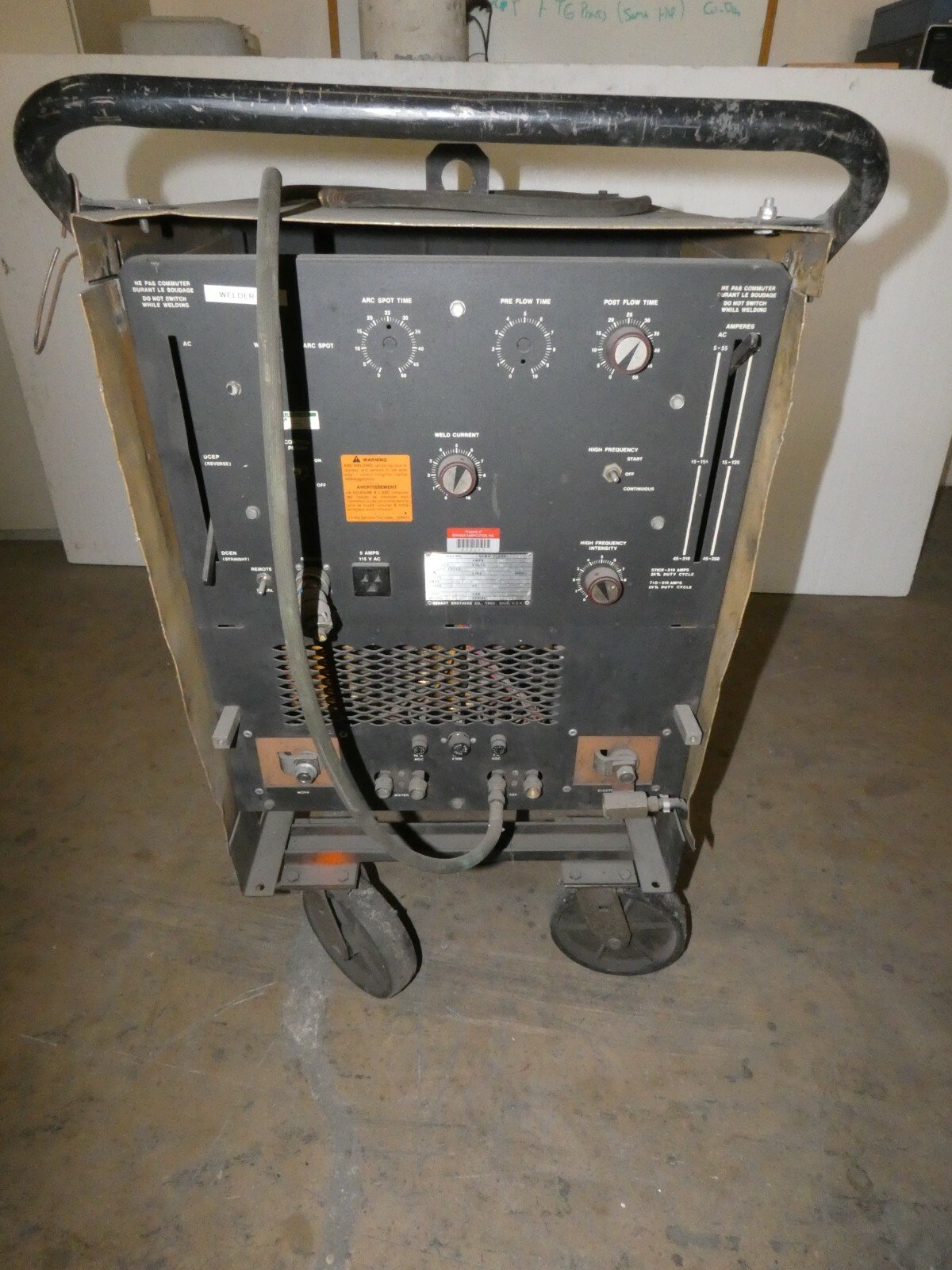
When you harness the immense power of a Hobart welder generator, you're not just operating a tool; you're orchestrating a symphony of electricity, combustion, and metal transformation. These robust machines, favored by professionals and hobbyists alike for their reliability and versatility, are indispensable on job sites, farms, and wherever portable power and welding capabilities are needed. But with great power comes the absolute necessity for meticulous Hobart Welder Generator Safety & Best Practices. Ignoring these isn't just risky; it's an invitation to severe injury, equipment damage, or worse.
This isn't about fear-mongering; it's about empowerment through knowledge. We’re going to equip you with the insights and actionable steps to operate your Hobart safely, ensuring it remains the powerful, dependable workhorse it’s designed to be, for years to come. Think of this as your essential guide, distilled from years of expertise, designed to keep you and your work environment secure.
At a Glance: Key Safety Takeaways
Before we dive deep, here's a quick rundown of the absolute essentials for operating your Hobart welder generator safely:
- Gear Up: Always wear appropriate Personal Protective Equipment (PPE) – welding helmet, gloves, flame-resistant clothing, safety glasses, hearing protection, and sturdy footwear.
- Ventilate: Never operate an engine-driven generator indoors or in poorly ventilated areas due to the risk of carbon monoxide poisoning and welding fume inhalation.
- Ground It: Ensure your welder generator and the workpiece are properly grounded to prevent electrical shock.
- Fuel Safely: Handle fuel with extreme care, away from ignition sources, and only when the engine is cool.
- Inspect Before Use: Check all cables, hoses, connections, and the machine itself for damage before every operation.
- Stay Dry: Water and electricity are a deadly combination. Always operate in dry conditions and keep your machine protected from moisture.
- Read the Manual (Generally Speaking): While we're covering universal best practices, always consult the specific owner's manual for your Hobart model.
Why Hobart's Engineering Demands Respect (and Safe Handling)
Hobart welder generators like the Champion Elite 225 or the more compact 145-amp units are celebrated for a reason. They merge powerful welding capabilities with robust auxiliary power, making them true multi-purpose machines capable of running grinders, lights, and even plasma cutters. This inherent capability – the ability to deliver both high-amperage welding and substantial electrical output – is precisely why understanding and implementing safety protocols is paramount.
As noted by industry observers, Hobart machines are known for their "rugged construction, often featuring steel frames, reliable engines from Kohler or Briggs & Stratton, and advanced cooling systems to withstand tough environments." This durability isn't just about longevity; it's about stability and performance under demanding conditions. However, even the most robust machine requires a responsible operator to maintain its integrity and prevent hazards. Ease of maintenance, with straightforward access to service points, also plays a subtle role in safety, encouraging regular checks that can prevent issues before they become dangerous.
Your Essential Safety Gear: The First Line of Defense (PPE)
Think of your Personal Protective Equipment (PPE) not as an optional accessory, but as an extension of your professional commitment to safety. It's the barrier between you and the raw forces of arc flash, spatter, heat, and noise. Never compromise on PPE.
1. The Welding Helmet: Your Shield Against the Arc
The intense ultraviolet (UV) and infrared (IR) radiation produced by the welding arc can cause severe, irreversible damage to your eyes and skin.
- Auto-Darkening Helmets: These are the industry standard for convenience and protection. Ensure yours has a fast switching speed (milliseconds) and adjustable shade settings (typically Shade 9-13 for stick/TIG welding) to match your amperage. Always check battery life before use.
- Fixed-Shade Helmets: If using a fixed-shade helmet, ensure the shade level is appropriate for your welding process and current.
- Beyond the Lens: The helmet also protects your face and neck from sparks, spatter, and radiant heat.
2. Welding Gloves: More Than Just Hand Protectors
Standard work gloves won't cut it. You need gloves specifically designed for welding.
- Material: Heavy-duty leather or other flame-resistant materials.
- Protection: They must protect against heat, cuts, abrasions, and electrical shock. Choose appropriate gloves for your welding process – thicker, gauntlet-style for stick welding; thinner, more dexterous for TIG.
- Condition: Always inspect gloves for holes, tears, or excessive wear before use.
3. Protective Clothing: Your Body's Armor
Your everyday clothes are simply not safe enough. Sparks can easily ignite synthetic fabrics, and even cotton can smolder.
- Flame-Resistant (FR) Materials: Wear long-sleeved shirts and long pants made of FR-treated cotton, leather, or other fire-resistant materials. Denim jeans are acceptable if they are heavy-duty and free of holes.
- Avoid Synthetics: Polyester, nylon, and other synthetic fabrics can melt onto your skin, causing severe burns.
- No Frayed Edges or Holes: Sparks love to catch on frayed material. Ensure clothing is in good repair.
- Secure Fit: Avoid loose clothing that could snag or dangle into the work area.
4. Footwear: Grounding Your Safety
Your feet are often overlooked, but they're vulnerable to falling objects, hot metal, and electrical hazards.
- Steel-Toe Boots: Essential for protecting against falling tools or materials.
- Leather Construction: Provides superior heat and fire resistance compared to other materials.
- High-Top Design: Protects your ankles and prevents spatter from entering your boots.
- Non-Slip Soles: Crucial for maintaining footing on potentially uneven or slick job sites.
5. Eye and Ear Protection: Don't Forget the Basics
Even when your welding helmet is down, safety glasses are a must, and noise protection is often critical.
- Safety Glasses: Always wear ANSI Z87.1 rated safety glasses or goggles under your welding helmet or face shield to protect against grinding debris, chipping slag, or stray sparks.
- Hearing Protection: Welder generators produce significant noise, and impact tools used in conjunction with welding can also be loud. Earplugs or earmuffs are essential to prevent hearing damage.
Before You Strike an Arc: The Pre-Operation Checklist
Proper preparation isn't just efficient; it's a non-negotiable safety step. A thorough pre-operation check can identify potential hazards before they escalate.
1. Site Assessment: Your Work Environment Matters
The area where you operate your Hobart welder generator needs to be safe for both welding and power generation.
- Ventilation is Paramount: If you're working in an enclosed space, even a partially enclosed one, ensure powerful exhaust ventilation is in place to remove welding fumes and especially carbon monoxide from the engine exhaust. Fumes can accumulate rapidly.
- Clear Flammable Materials: Remove all combustible materials – wood, paper, fuel cans, solvents, rags – from the welding area. A minimum distance of 35 feet (10 meters) is often recommended for highly flammable materials.
- Stable Ground: Position the welder generator on a firm, level surface to prevent tipping. Uneven ground can be a hazard for both the machine and anyone working around it.
- Fire Watch: For high-risk welding situations (e.g., near combustibles, overhead welding), designate a fire watch with appropriate fire extinguishing equipment (Type ABC extinguisher) readily available.
- Access and Egress: Ensure clear pathways to and from your work area, allowing for quick escape in an emergency.
2. Fuel Safety: Powering Up Without Peril
Your Hobart runs on fuel, and fuel is highly flammable. Extreme caution is required.
- Fueling Location: Always refuel in a well-ventilated area, outdoors, and away from any ignition sources (sparks, open flames, hot surfaces).
- Cool Engine: Never refuel a hot engine. The heat can vaporize fuel, creating an explosive atmosphere. Allow the machine to cool down completely.
- Spill Protocol: Have a plan for fuel spills. Absorbent materials should be readily available. Clean up any spills immediately and dispose of contaminated materials safely.
- Proper Storage: Store fuel in approved, clearly labeled containers, away from the welder generator and any living spaces.
- Fuel Valve: Always close the fuel valve when the machine is not in use or during transport to prevent leaks.
3. Electrical Connections: The Lifeblood of Your Operation
Incorrect electrical connections are a leading cause of electrical shock and equipment damage.
- Proper Grounding: Ensure your welder generator is properly grounded as per manufacturer specifications and local electrical codes. This is critical for preventing electrical shock.
- Cable Condition: Inspect all welding cables, power cords, and generator output cables for cuts, cracks, frayed insulation, or damaged connectors. Damaged cables must be replaced immediately. Never use taped-up cables.
- Voltage and Amperage Matching: When using the generator function, ensure that connected tools and appliances match the voltage and amperage output of your Hobart. Overloading circuits can damage the machine and connected devices, and create fire hazards.
- Secure Connections: All connections (electrode holder, ground clamp, power plugs) must be tight and secure to prevent arcing and overheating.
- Extension Cords: If using extension cords for auxiliary power, ensure they are heavy-duty, properly rated for the load, and fully uncoiled to prevent overheating.
4. Machine Inspection: Your Pre-Flight Check
A quick but thorough visual inspection can save a lot of headaches – and prevent accidents.
- External Damage: Check for any visible damage to the machine casing, control panel, or structural components.
- Engine Fluids: Verify oil levels, coolant (if applicable), and fuel levels. Low fluids can lead to engine damage or shutdown.
- Air Filter: Ensure the air filter is clean and properly seated to maintain optimal engine performance and prevent overheating.
- Guards and Covers: Confirm all safety guards, covers, and panels are in place and securely fastened.
- No Leaks: Check for any signs of fuel, oil, or exhaust leaks.
- Fan/Cooling System: Ensure the cooling fan is clear of obstructions.
5. Understanding Your Machine: Know Your Hobart
While this guide covers general best practices, every Hobart model has unique characteristics.
- Owner's Manual: Always refer to the owner's manual specific to your Hobart welder generator. It contains critical information on operation, maintenance schedules, and safety warnings tailored to your machine. Since direct manual content wasn't available for this guide, emphasize the importance of your specific manual.
- Controls: Familiarize yourself with all controls – start/stop, choke, throttle, welding output adjustments, circuit breakers, and emergency shutdown procedures. Know what each does before you need it in an emergency.
Powering Up Safely: During Operation Best Practices
Once your site is prepped and your machine is inspected, safe operation becomes about vigilance and adhering to established procedures.
1. Starting Procedures: Smooth Ignition
Follow the recommended starting sequence for your specific Hobart model. This typically involves:
- Fuel Valve On: Open the fuel valve.
- Choke/Throttle: Set the choke and throttle appropriately for starting, especially in cold weather.
- Ignition: Use the electric starter or recoil pull cord method as directed.
- Warm-Up: Allow the engine to warm up for a few minutes before applying a load or welding.
2. Ventilation is Non-Negotiable: The Invisible Killer
We can't stress this enough: Never operate an engine-driven welder generator in an enclosed space.
- Carbon Monoxide: The engine exhaust contains carbon monoxide (CO), an odorless, colorless, lethal gas. Even in seemingly "open" structures like garages with doors open, CO can accumulate to dangerous levels. Always position the generator outdoors, downwind, and away from windows, doors, or vents that could allow CO to enter occupied buildings.
- Welding Fumes: Welding produces fumes and gases that can be hazardous if inhaled. Always work in a well-ventilated area. If natural ventilation isn't sufficient, use local exhaust ventilation to capture fumes at the source, or wear an approved respirator.
- Monitor: Consider using a personal carbon monoxide detector when operating engine-driven equipment, especially if working near any structures.
3. Welding Techniques for Safety: Arc Control
Beyond producing quality welds, safe welding techniques protect you and your surroundings.
- Stable Arc: Maintain a stable arc to prevent excessive spatter and to control the welding process.
- Spatter Control: Use anti-spatter compounds and appropriate welding parameters to minimize spatter, which can cause burns and ignite combustibles.
- Workpiece Temperature: Be aware that the workpiece will become extremely hot. Use clamps, allow it to cool, or use heat-resistant gloves when handling.
- Keep Your Head Out of the Fume Plume: Position yourself so the fume plume rises away from your breathing zone.
4. Generator Load Management: Don't Overburden Your Machine
The generator function of your Hobart is powerful, but it has limits.
- Rated Output: Never exceed the rated wattage output of your generator. Overloading can damage the generator, connected equipment, and create a fire hazard due to overheating wires.
- Monitor Output: Pay attention to your machine's output indicators, if present.
- GFCI Protection: Utilize the GFCI (Ground Fault Circuit Interrupter) outlets on your Hobart when connecting tools, especially in damp conditions, to protect against electrical shock.
- Daisy Chaining: Avoid connecting multiple power strips or extension cords in series (daisy-chaining), as this can lead to voltage drop and overloading.
5. Awareness of Surroundings: Constant Vigilance
Your work area is dynamic. Stay alert.
- Hot Surfaces: The engine, exhaust system, and welding components become extremely hot during operation. Avoid contact and warn others.
- Moving Parts: Keep hands, clothing, and hair clear of moving engine parts like belts and fans.
- Others in the Area: Be mindful of coworkers or bystanders. Establish a clear safety perimeter and ensure anyone entering it is aware of the hazards and wearing appropriate PPE.
- Cable Routing: Route welding and power cables in a way that prevents tripping hazards, avoids contact with hot surfaces, and protects them from being driven over.
Post-Operation & Shutdown Safety: Finishing Strong
Safe operation extends beyond the last arc. Proper shutdown and cool-down procedures are crucial for machine longevity and continued safety.
- Cool-Down Period: Allow the welder generator to run at idle for a few minutes after welding or under load. This allows the engine and welding components to cool down gradually, preventing thermal shock and extending component life.
- Shut Down Engine: Turn off the engine using the designated switch.
- Close Fuel Valve: Always close the fuel shut-off valve after operation, especially if storing the unit for any length of time. This prevents fuel leaks and reduces the risk of fire.
- Disconnect Loads: Unplug all auxiliary tools and disconnect welding cables from the workpiece.
- Cooling Down the Welds: Allow welds and workpieces to cool completely before handling, unless specific post-weld heating is required.
- Secure Storage: Store the Hobart welder generator in a clean, dry, well-ventilated area, protected from weather and unauthorized access. Ensure no flammable materials are stored nearby.
- Initial Cleaning: A quick wipe-down to remove dust, dirt, and light spatter can prevent buildup and make future maintenance easier.
Maintenance: Keeping Your Hobart Running Right (and Safe)
Hobart designs its machines for "easy access to service points," which makes regular maintenance more feasible. Consistent maintenance isn't just about performance; it's a vital safety practice, preventing failures that could lead to hazards.
1. Regular Checks: The Foundation of Longevity
- Oil Changes: Adhere strictly to the manufacturer's recommended oil change intervals. Clean oil ensures proper engine lubrication and cooling.
- Air Filter: Clean or replace the air filter regularly. A clogged air filter can cause the engine to run rich, overheat, and lose power, potentially affecting arc stability.
- Fuel Filter: Replace the fuel filter as recommended to prevent fuel system clogs and ensure consistent fuel delivery.
- Spark Plug: Inspect and replace spark plugs periodically for optimal ignition and fuel efficiency.
- Battery: If your unit has an electric start, check battery terminals for corrosion and ensure the battery is charged and secure.
2. Cable & Clamp Care: The Electrical Lifeline
Damaged welding cables are a serious shock hazard.
- Inspect Regularly: Before and after each use, thoroughly inspect all welding cables (electrode and work cables) and the ground clamp for cuts, fraying, exposed conductors, or loose connections.
- Replace, Don't Repair: If a cable is damaged, replace it immediately. Taping or makeshift repairs are unsafe and unreliable.
- Clean Connections: Keep the electrode holder and ground clamp clean and free of spatter. A poor connection can lead to overheating and an unstable arc.
- Proper Coiling: Coil cables neatly after use to prevent kinks, tangles, and damage.
3. Engine Maintenance: General Health
- Cooling Fins: Keep engine cooling fins clean and free of debris to prevent overheating.
- Exhaust System: Check for any leaks in the exhaust system, which could allow carbon monoxide to escape into unintended areas.
- Fasteners: Periodically check that all nuts, bolts, and fasteners are tight. Vibrations from engine operation can loosen them over time.
4. Service Intervals: Follow the Schedule
Refer to your Hobart owner's manual for specific maintenance schedules. These schedules are designed to maximize the life and safe operation of your machine. Skipping maintenance can lead to unexpected breakdowns, safety hazards, and costly repairs down the line.
Specific Hazards & How to Mitigate Them
Working with a welder generator involves multiple layers of risk. Understanding these specific hazards is the first step in avoiding them.
1. Electrical Shock
- The Hazard: Direct contact with live electrical parts, faulty equipment, or improper grounding. Can cause severe injury or death.
- Mitigation:
- Always ensure proper grounding of both the machine and workpiece.
- Inspect cables and connections meticulously before each use.
- Never operate in wet conditions or with wet hands/clothing.
- Wear dry, insulated welding gloves and appropriate footwear.
- Use GFCI-protected outlets for auxiliary power.
- Avoid wrapping cables around your body.
2. Arc Flash and Burns
- The Hazard: Intense UV/IR radiation from the arc and molten metal spatter causing eye damage (welder's flash), skin burns, and igniting combustibles.
- Mitigation:
- Always wear a proper welding helmet with the correct shade setting.
- Wear flame-resistant clothing that covers all exposed skin.
- Use welding gloves.
- Maintain a clear work area free of flammable materials.
3. Fire and Explosion
- The Hazard: Sparks, spatter, or hot metal igniting flammable materials, or improper fuel handling leading to an explosion.
- Mitigation:
- Clear the work area of all combustibles.
- Have a fire extinguisher (ABC rated) readily available and know how to use it.
- Refuel only when the engine is cool, outdoors, and away from ignition sources.
- Store fuel in approved containers away from the work site.
- Never weld on drums, tanks, or containers that have held flammable substances unless they have been properly cleaned and purged.
4. Fumes and Gases
- The Hazard: Inhalation of welding fumes (containing various metal oxides and particulates) and shielding gases (which can displace oxygen).
- Mitigation:
- Ensure robust ventilation. Work outdoors or in a shop with strong exhaust systems.
- Position your head out of the fume plume.
- Use an approved respirator if ventilation is inadequate.
- Know the materials you are welding and the potential fumes they produce (e.g., galvanized steel, stainless steel).
5. Noise and Vibration
- The Hazard: Prolonged exposure to high noise levels from the engine and welding activities can cause permanent hearing damage. Vibration can lead to fatigue and musculoskeletal issues.
- Mitigation:
- Always wear hearing protection (earplugs or earmuffs).
- Limit exposure time.
- Ensure the welder generator is on a stable, level surface to minimize vibration.
6. Carbon Monoxide Poisoning
- The Hazard: Odorless, colorless, lethal gas produced by the engine exhaust.
- Mitigation:
- NEVER operate an engine-driven welder generator indoors, even with doors/windows open.
- Always place the unit outdoors, downwind, and ensure exhaust is directed away from any occupied areas or building openings.
- Use carbon monoxide detectors if working in any questionable or semi-enclosed spaces near the unit.
Common Mistakes to Avoid: Learn From Others' Errors
Many accidents stem from common oversights or shortcuts. Be aware of these pitfalls:
- Skipping PPE: Thinking "it's just a quick weld" or "I'm only using the generator" is a recipe for injury. Always wear full PPE.
- Poor Ventilation: Underestimating the danger of welding fumes and carbon monoxide is a critical, potentially fatal, error. Always prioritize airflow.
- Improper Grounding: A flimsy ground clamp, painted workpiece, or ungrounded machine invites electrical shock. Ensure solid, clean, and dedicated grounding.
- Overloading the Generator: Pushing the generator beyond its rated capacity will damage it and can create fire hazards.
- Ignoring Maintenance: Neglecting fluid levels, dirty filters, or worn cables can lead to breakdowns, overheating, and dangerous malfunctions.
- Operating in Wet Conditions: Water conducts electricity. Never weld or operate the generator in rain, standing water, or excessively damp environments without extreme precautions.
- Fueling While Hot: The vapors from hot fuel are extremely flammable. Always let the engine cool down.
- Welding on Unknown Materials: Not knowing the composition of the metal you're welding can expose you to unexpected toxic fumes or explosive reactions.
- Lack of Training: Assuming you know enough. Welding and operating engine-driven equipment requires ongoing learning and respect for the process.
Choosing the Right Hobart for Your Needs (and Safety)
While this guide focuses on safety, selecting the appropriate Hobart welder generator for your specific tasks inherently contributes to safer operation. An undersized machine might be pushed beyond its limits, leading to overheating or poor performance. An oversized machine, while powerful, might be unwieldy or overkill for small jobs.
When considering a Hobart, factors like "welding output, generator wattage, fuel efficiency, and portability" are key. For instance, the robust Champion Elite 225 with its 225-amp DC welder and 11,000-watt generator is ideal for heavy-duty tasks where sustained power is crucial, whereas a 145-amp unit might be perfect for lighter, more portable jobs. Understanding these specifications, and how they align with your intended use, helps ensure you're not overstraining your equipment or yourself. For a more in-depth look at Hobart's offerings and to find Your complete Hobart welder generator resource, explore their full range of models. Picking the right tool for the job is always a fundamental safety principle.
Your Action Plan for Safer Welding
Operating a Hobart welder generator is a rewarding experience, enabling you to tackle demanding tasks in diverse environments. But this privilege comes with a responsibility to operate safely, intelligently, and respectfully.
Your action plan should include:
- Prioritize PPE: Make it a habit, every single time.
- Conduct Pre-Operation Checks: Don't skip steps; inspect your machine and environment thoroughly.
- Master Your Environment: Ensure ventilation, fire prevention, and proper grounding are always in place.
- Practice Safe Techniques: From arc control to load management, operate with precision.
- Maintain Diligently: Your machine's longevity and safety depend on consistent care.
- Stay Informed: Continually educate yourself, consult your manual, and never hesitate to seek expert advice.
By integrating these safety and best practices into every aspect of your work, you're not just protecting yourself and others; you're elevating your craftsmanship and ensuring your Hobart welder generator remains a reliable partner for every project that comes your way. Stay safe out there.