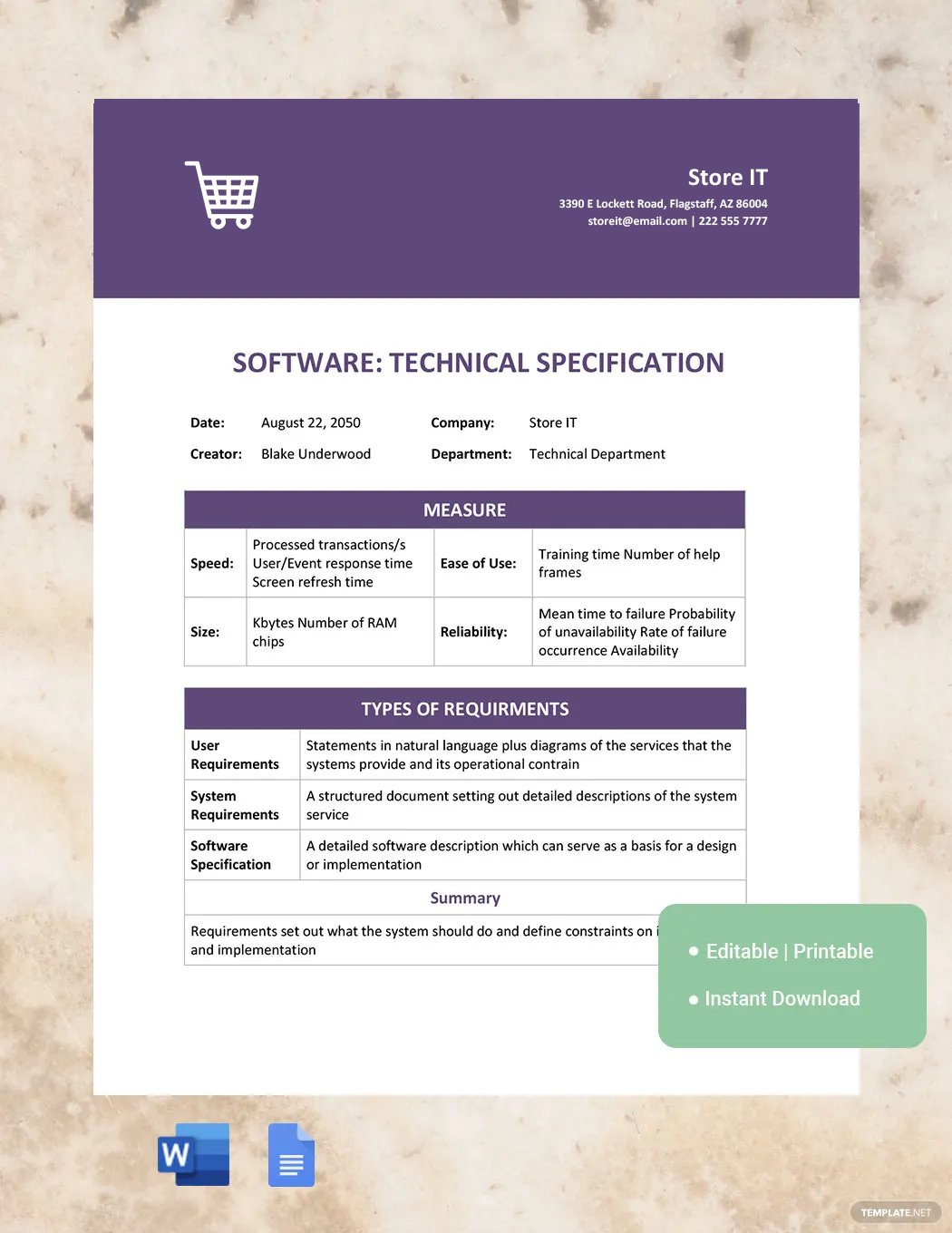
Imagine embarking on a complex journey without a map, or constructing a skyscraper without blueprints. The outcome would be chaotic, costly, and likely disastrous. In the world of product development, engineering, and software, the equivalent of that essential map is a robust set of Technical Specifications & Features Explained. These aren't just dry documents; they are the bedrock of successful project execution, translating vision into tangible, actionable instructions that guide teams from concept to completion. Without them, even the most brilliant ideas can crumble under ambiguity.
At a Glance: Your Blueprint for Success
- What they are: Detailed documents defining how a product, system, or process will be designed, developed, and implemented.
- Why they matter: Ensure clarity, drive user satisfaction, guarantee quality, boost efficiency, and streamline communication, ultimately saving time and money.
- Who uses them: Engineers, manufacturers, construction professionals, software developers, and procurement teams across diverse industries.
- Key components: From purpose and scope to testing and maintenance requirements, they cover every facet of a project.
- Best practices: Tailor to your audience, embrace collaboration, define clear standards, and employ effective review processes.
What Are Technical Specifications, Really?
At their core, technical specifications are precise, unambiguous documents that detail the requirements for a product, system, or service. They provide the "how-to" for development, outlining features, functionalities, performance characteristics, and the underlying technical means needed to achieve them. Think of them as the DNA of your project: they define every component, every process, and every expected outcome.
For digital ventures, particularly web projects, technical specifications take abstract functional requirements – what a system should do – and transform them into concrete technical directives. This includes specifying technologies, hardware requirements, software architecture, and integration points. They act as a critical roadmap, steering development teams with clarity and precision, ensuring that the final product not only meets user expectations but also aligns with the project's strategic vision.
Who Relies on This Blueprint?
The need for meticulous technical specifications transcends industry boundaries. Anywhere precision, reliability, and clear communication are paramount, these documents become indispensable.
- Engineering and Manufacturing: Here, specifications dictate everything from material composition and precise dimensions to manufacturing tolerances and rigorous testing protocols. For instance, whether you're specifying the intricate details for a Hobart welder generator guide or laying out the architecture for a complex web application, the underlying principle is the same: clarity through comprehensive documentation.
- Construction: From the type of concrete used in foundations to the exact installation methods for HVAC systems, construction projects live and die by their specifications, ensuring safety, structural integrity, and adherence to building codes.
- Software Development: This field relies heavily on technical specifications to describe system architecture, user interface interactions, core functionality, and critical performance metrics like speed and scalability. They are the bridge between a user story and lines of code.
- Procurement: When purchasing goods or services, technical specifications ensure that what's acquired precisely meets the operational, performance, and quality requirements of the organization.
Laying the Groundwork: Critical Considerations Before You Draft
Before you even begin writing a technical specification, some foundational thinking is crucial. Skipping these steps is like building a house on sand – it might look fine initially, but structural problems are inevitable.
Define Project Goals (The "Why")
Every specification must tie back to the overarching project goals. What problem are you solving? What business objective are you trying to achieve? Clearly understanding these objectives ensures that the technical solutions you propose actually align with the project's vision and stakeholder needs. This upfront clarity is paramount. Leveraging a robust Component Content Management System (CCMS) can ensure this foundational content remains accurate, relevant, and consistent across all related documents, providing a single source of truth (SSoT) throughout the project lifecycle.
2. ### Identify Your Audience (The "Who")
Who will read this document? A developer needs different details than a project manager, and an executive needs a different level of technical depth than an engineer. Tailoring the language, level of detail, and even the format to your specific readers ensures the document is understood and actionable by everyone involved.
3. ### Acknowledge Technical Constraints (The "Reality Check")
No project exists in a vacuum. You must account for limitations such as existing hardware or software restrictions, compatibility issues with legacy systems, or regulatory requirements. These constraints are not roadblocks; they are vital pieces of information that directly impact feasibility, timelines, and budget, helping you set realistic expectations from the outset.
4. ### Factor in Timeline and Budget (The "Practicalities")
These two elements are inextricably linked and directly influence the scope and complexity of your specifications. A tight budget or aggressive deadline might necessitate a simpler, more streamlined approach, while ample resources allow for deeper exploration and more elaborate solutions. Setting realistic expectations here helps allocate resources effectively and prevent scope creep.
5. ### Plan for Collaboration (The "Teamwork")
Technical specifications are rarely the work of a single individual. Plan how multiple stakeholders – from designers and developers to quality assurance and business analysts – will collaborate. Assign clear responsibilities for drafting, reviewing, and approving sections. Incorporating a structured feedback loop is essential for a smooth development process and ensuring buy-in from all parties.
The Anatomy of a Robust Technical Specification: 7 Essential Components
While the specific content will vary by project, nearly all effective technical specifications share a common structure designed to provide comprehensive guidance.
Purpose and Scope
This section sets the stage. It provides a high-level overview of the project, clearly outlining its goals, objectives, and intended outcomes. It defines what the project will and will not cover, establishing clear boundaries to prevent misunderstanding and scope creep later on.
2. ### Functional Requirements
This is where you detail the "what." It describes the features and functionalities the product or service must include. This can encompass everything from specific hardware and software requirements to performance benchmarks, user interactions, data processing, and system responses. What exactly should the system do?
3. ### Design Requirements
Moving from "what" to "how it looks and feels," this section specifies the aesthetic and user experience elements. It covers visual design elements, layout, navigation pathways, accessibility standards, and overall user interface (UI) principles. For hardware, it might include physical dimensions, material finishes, and ergonomic considerations.
4. ### Technical Standards
To ensure quality, compatibility, and often, legal compliance, this component details any industry standards, protocols, regulatory requirements, or internal guidelines that the project must adhere to. This could include security standards, data privacy regulations (like GDPR), coding conventions, or interoperability protocols.
5. ### Testing Requirements
A critical, often overlooked, section. This outlines the criteria for testing and validation to ensure the product or service meets its specified requirements. It includes details on test plans, specific test cases, expected outcomes, and the acceptance criteria that must be met before the project is deemed complete and fit for purpose.
6. ### Delivery Requirements
This section focuses on the practical aspects of bringing the product or service to fruition. It specifies details for the final delivery, such as scheduled delivery dates, installation procedures, deployment strategies, and any necessary user training or documentation that needs to be provided.
7. ### Support and Maintenance Requirements
The journey doesn't end at delivery. This component details the post-launch phase, including information on warranties, service level agreements (SLAs), ongoing maintenance plans, bug fix protocols, and the scope of technical support that will be provided. It ensures the longevity and continued performance of the solution.
Beyond the Basics: Special Considerations for Web Projects
Web and software projects have unique demands that necessitate specialized attention within their technical specifications.
- Technological Choices: Clearly state the chosen technology stack – frameworks, libraries, databases, and APIs. Justify these choices based on scalability, maintainability, existing infrastructure, and team expertise.
- Domains and Hosting: Detail the domain name strategy, hosting environment (e.g., cloud provider, dedicated servers), and content delivery network (CDN) if applicable.
- Environment and Architecture: Specify the operating system, web server (e.g., Nginx, Apache), application server, and database server. Outline the overall system architecture, including how different components interact.
- Programming Language Requirements: Define the specific programming languages and versions to be used, along with any coding standards or style guides.
- Accessibility: Crucial for user inclusivity, this section details compliance with standards like WCAG (Web Content Accessibility Guidelines) and specifies browser and device compatibility requirements.
- Security: Outline security measures, including data encryption, authentication protocols, authorization rules, vulnerability testing, and disaster recovery plans.
- Maintenance and Upgrades: Detail the strategy for ongoing maintenance, patch management, and future upgrade paths.
- Provisional Schedule: While not a final project plan, a provisional schedule helps align expectations on key technical milestones.
- Glossary of Technical Terms: Always include this! It ensures that everyone, regardless of their technical background, understands the specialized jargon used throughout the document.
Open vs. Closed Formats: Choosing Your Approach
When drafting, you'll generally lean towards one of two formats:
- Open Format: This focuses on desired feature performance and leaves the precise technical means and implementation decisions to the discretion of the development team. It empowers developers to use their expertise to find the most efficient and innovative solutions.
- Closed Format: This specifies particular tools, processes, and even sub-function production methods. It's often used when there are strict legacy system integrations, specific vendor requirements, or regulatory mandates that dictate exact technologies or procedures.
Drafting Roles & Structuring for Clarity
Typically, the technical team (CTO, lead developers) drafts the core document, translating business needs into technical realities. The Product Owner plays a vital role in ensuring the proper formatting and that the specifications accurately reflect the functional requirements.
For larger, more complex projects, visual aids are invaluable. Use graphical tools like tables, flowcharts, or even FAST diagrams (Function Analysis System Technique) to structure the specifications, making complex interdependencies easier to grasp.
Navigating Disagreements: The Scorecard Method
Technical choices can often lead to debates. When disagreements arise on which technical solution to adopt, employing a scorecard method can provide an objective framework. Rate and rationalize different options against predefined criteria (e.g., cost, scalability, maintainability, risk, ease of implementation) to make data-driven decisions.
Crafting Clarity & Ensuring Success: Best Practices
A well-written technical specification isn't just comprehensive; it's clear, accessible, and actionable.
- Clarity Above All: Use clear, concise language. Avoid jargon where simpler terms suffice, and as mentioned, always include a glossary to define any necessary technical terms. Ambiguity is the enemy of successful project execution.
- Comprehensive Documentation: Technical specifications don't exist in a vacuum. Recall the functional specifications they support and present recommended technical solutions and resources for each. For larger, more intricate projects, consider creating a separate technical specification as an appendix to the main project document. Assign a unique document number and a responsible person for traceability and version control.
- Rigorous Review Process: Before customer validation, conduct a multi-disciplinary team review. This ensures clarity and completeness from both technical (developers, architects) and non-technical (project managers, business analysts, UI/UX designers) perspectives. This collaborative review catches potential issues early, saving significant time and cost down the line.
Technical specifications are strategically developed after the project design phase is complete but before implementation begins. They serve as a binding agreement among all stakeholders, setting clear expectations and responsibilities.
The Unseen ROI: Why Robust Specs Save Time and Money
Investing time and effort into creating thorough technical specifications isn't just good practice; it's a strategic business decision with a tangible return on investment.
- Prevents Rework: Clearly defined requirements drastically reduce the chances of misinterpretation, meaning fewer iterations and less wasted effort.
- Reduces Costs: Rework is expensive. By getting it right the first time, you avoid the cost of additional development hours, testing, and deployment.
- Accelerates Development: With a clear roadmap, development teams can work more efficiently, knowing exactly what needs to be built and how.
- Enhances Quality: Specific, measurable requirements lead to higher-quality products that truly meet user and business needs.
- Improves Communication: A single source of truth minimizes misunderstandings and ensures everyone is on the same page.
- Boosts User Satisfaction: Products built to precise specifications are more likely to deliver the features and performance users expect, leading to higher satisfaction.
- Facilitates Maintenance: Well-documented systems are easier to maintain, troubleshoot, and upgrade in the long run.
Tools to Streamline Your Spec Journey
Fortunately, you don't have to build these complex documents from scratch using basic word processors. Several tools are designed to simplify and optimize the creation and management of technical specifications:
- Component Content Management Systems (CCMS): Platforms like Heretto CCMS are purpose-built for managing highly structured technical content. They enable content reuse, version control, automated publishing to multiple formats, and collaborative workflows, making it easier to maintain consistency and accuracy across large-scale projects.
- Project Management Platforms: Tools like monday.com offer templates and features that can be adapted to manage the various components of technical specifications, facilitate collaboration, track progress, and integrate with overall project planning.
Your Next Step: Building a Foundation for Excellence
In the end, technical specifications are more than just documentation; they are a critical investment in your project's success. They are the communication backbone, the quality assurance mechanism, and the foundational agreement that empowers teams to build precisely what’s needed, when it’s needed, and how it’s needed. By embracing these principles and dedicating the necessary attention to this crucial phase, you're not just writing a document; you're engineering success.